
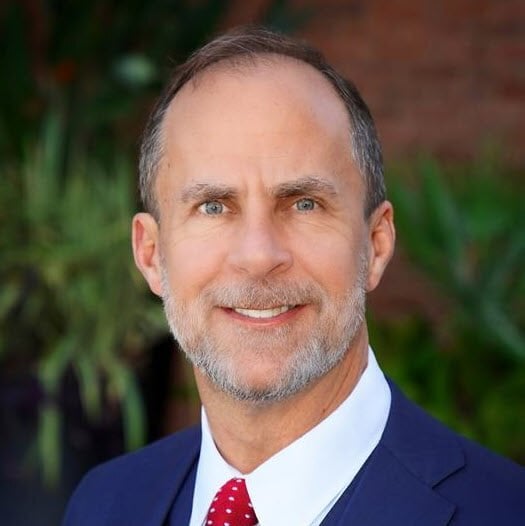
CEO and Founder
Advocate Health Advisors
CEO and Founder
Advocate Health Advisors
Dr. Darwin Hale is the CEO and Founder of Advocate Health Advisors (AHA), serving all fifty states and the Commonwealth of Puerto Rico. He launched AHA 20 years ago, inspired by a personal mission to help his mother navigate the complexities of Medicare when she turned 65. Since then, Dr. Hale has transformed that experience into a powerful, purpose-driven organization. For over two decades, AHA has helped millions of Americans get the most wellness out of each healthcare dollar available. Preventive care models, such as Medicare Advantage, offer tremendous value by providing Medicare beneficiaries with access to high-quality, affordable, and personalized care. However, the U.S. healthcare system can be complicated and costly for those who do not know how to navigate it. That is where Dr. Hale's vision has made an impact—building a nationwide infrastructure of community-based brokers who represent the best interests of their clients.
A national thought leader in healthcare advocacy, Dr. Hale is deeply engaged at the Federal, State, and Local levels. He regularly collaborates with members of Congress on Medicare-related issues and participates in state-level forums such as the National Association of Insurance Commissioners.
Dr. Hale actively combats fraud, waste, and abuse in the industry. He spearheaded initiatives such as Spot the Scam, which educates Americans on how to avoid fraudulent Medicare activity, and How to Pick a Quality Health Insurance Agent for Your Medicare Plan, which empowers beneficiaries to evaluate local, licensed agents.
He is the best-selling author of Need to Know, "How to Arm Yourself and Survive on The Healthcare Battlefield." The book is packed with valuable advice on staying out of the hospital and managing personal wellness. Retired Colonel Hale mobilizes his military mindset to give us winning strategies for better health and a better healthcare system.
Advocate Health Advisors has become a nationally respected voice for underserved populations, particularly Veterans and those eligible for both Medicare and Medicaid. Beyond helping people choose the right coverage, the organization also intervenes in denied claims and access issues to ensure proper support and resolution— services that are becoming even more critical as rising costs and evolving technologies introduce new complexities. Since five percent of the population consumes fifty percent of healthcare resources, this is not only a moral imperative, but it also saves the system money.
Before founding AHA, Dr. Hale held executive roles at AT&T and IBM, where he managed P&L and created the Business Strategy for Fortune 500 healthcare companies. His close work with senior leaders gave him a deep, systems-level understanding of the healthcare ecosystem. He also served on the board of the American Telemedicine Association and other advisory boards focused on telehealth, systems integration, and innovation. These experiences carried over into his company today.
Rather than sell the company he built, Dr. Hale chose to invest further in the industry. He earned his Doctoral degree with groundbreaking research on broker quality in the Medicare Advantage industry. His work scientifically demonstrates how local community-based brokers improve client satisfaction, raise industry standards, and influence national healthcare policy. He also holds an MBA with a concentration in Finance and a BA in International Studies from the University of South Florida.
A retired U.S. Army Colonel, Dr. Hale completed seven overseas deployments and served in the U.S. Special Operations Command's Antiterrorism Division. He earned eighteen military awards, including the Legion of Merit. His military experience has carried over into a life of service after service, where he actively combats the inefficiencies of the U.S. Healthcare system.
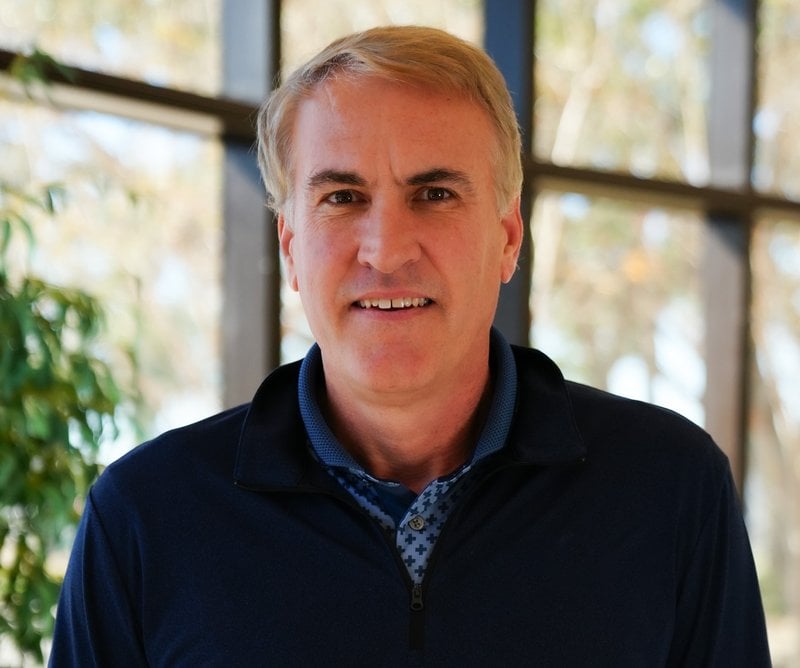
President, Health Distribution Product
AmeriLife
President, Health Distribution Product
AmeriLife
Bryan M. Keeven currently serves as President, Health Distribution Product for AmeriLife in Clearwater, Florida, a role he has held since January 2026. In this capacity, he leads Carrier Relations, Product Strategy and Performance, Market Intelligence, and Industry Advocacy. He joined AmeriLife in January of 2021 focusing on P&L performance, strategic leadership along with building meaningful relationships generating opportunities.
Bryan brings more than 25 years of experience in the health insurance industry. He earned a Bachelor of Science in Health Management from Southeast Missouri State University and an MBA from Lindenwood University. Licensed as a personal producer since 1996, he began his career in 1995 and sold his first Medicare Supplement and Medicare Advantage (then Medicare Risk) plan in 1996.
Throughout his career, Bryan has held roles in Customer Service, Claims Administration, Field Sales, Sales Management, P&L Management, and Executive Leadership. His carrier experience includes positions with Blue Cross Blue Shield of Missouri, Coventry Healthcare, Aetna, and Molina Healthcare.
Bryan’s deep operational expertise, strong industry relationships, and commitment to advancing innovative health distribution strategies continue to strengthen AmeriLife’s position in an evolving marketplace.
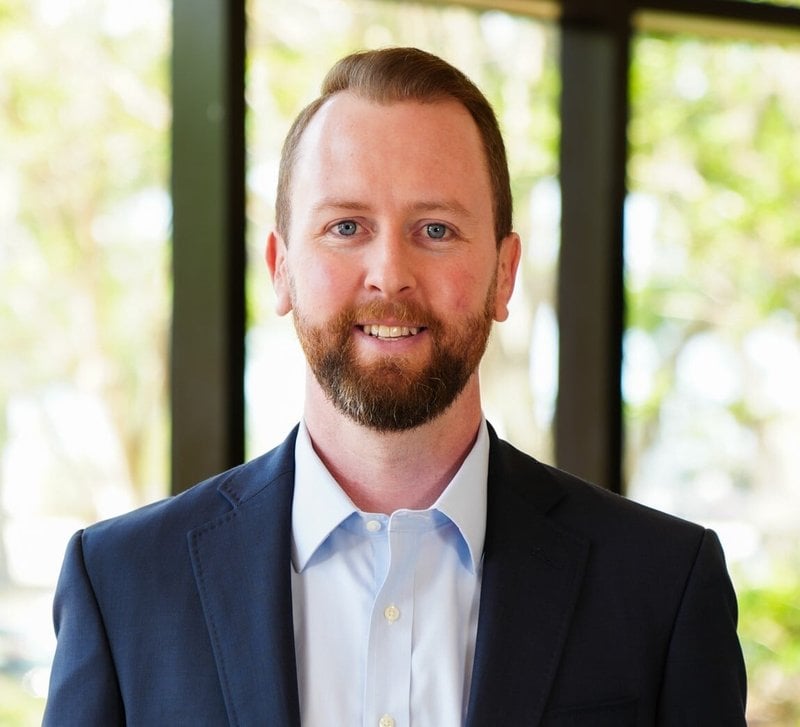
Senior Vice President, Business Development
AmeriLife
Senior Vice President, Business Development
AmeriLife
Chris Houlihan leads government relations for AmeriLife, where he was formerly the Chief of Staff. Chris’ career has focused primarily on the retirement industry, having previously worked at John Hancock and Fidelity Investments. Chris holds an MBA from Boston College and a BA from University of Massachusetts – Amherst.
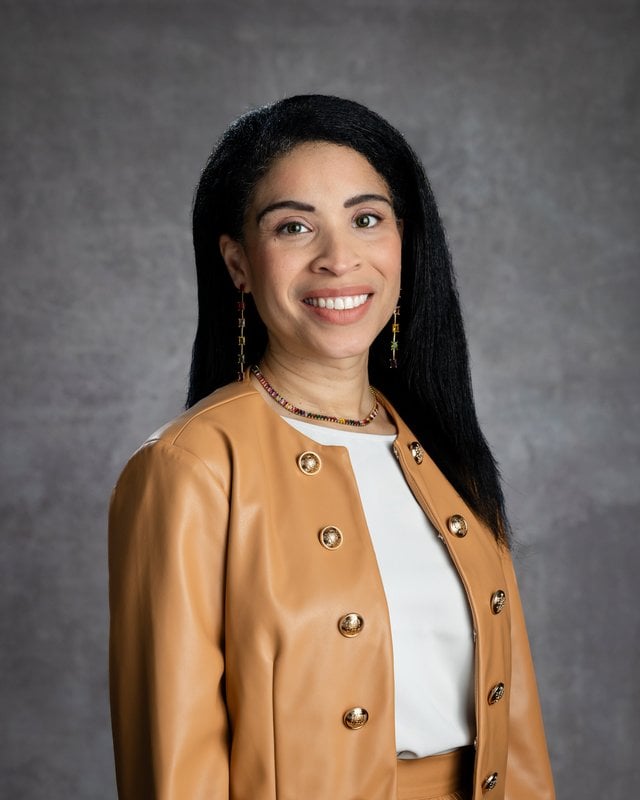
VP, Chief of Staff, Health Distribution
AmeriLife
VP, Chief of Staff, Health Distribution
AmeriLife
Rebecca is Vice President and Chief of Staff for AmeriLife’s Health Distribution team in Clearwater, Florida, where she serves as a strategic advisor and cross-functional leader supporting key business priorities within AmeriLife. With more than 20 years of experience across multiple sectors, Rebecca has built a career implementing complex policy and business objectives in support of both internal and external policies and partners. Since joining AmeriLife in 2021, she has contributed across the Distribution, Legal, Operations and Human Resources teams, supporting both the Health and Wealth Distribution verticals and bringing her unique background and leadership approach to the organization.
Rebecca holds dual Bachelor of Science degrees from the Georgia Institute of Technology and a Juris Doctor from Florida Coastal School of Law, with a focus in contractual and business law, first becoming a member of the Louisiana Bar prior to moving to the Tampa area in 2020.
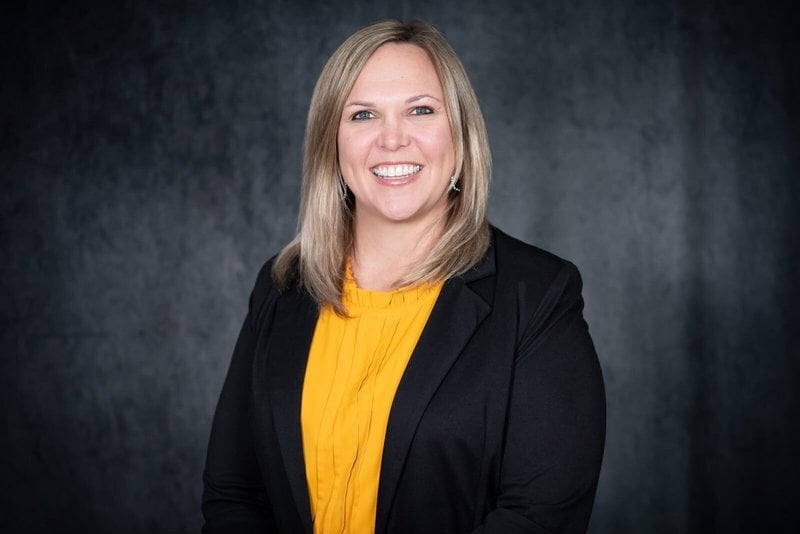
Chief Operating Officer
The Brokerage, Inc.
Chief Operating Officer
The Brokerage, Inc.
Meet Cristin Bishop, a dynamic leader balancing family, career, and community.
Cristin began her insurance career in 2007, earning her Texas Health and Life license before joining The Brokerage, Inc., where she now serves as Chief Operating Officer. She oversees daily operations, drives company culture, and ensures strategic growth.
Her leadership earned her the 2023 NAILBA ID Twenty award, recognizing her innovation and impact on the industry. She serves on the Board of Directors for SubCenters and BHINI, sits on NAILBA’s Program Committee, and is a founding member of AgencyBloc’s Customer Advisory Board. She is also actively involved with NABIP and The Marketing Alliance (TMA).
In 2023, when her alma mater, Stephen F. Austin State University, joined the University of Texas System, Cristin co-founded the DFW Executive Jacks, a C-Suite alumni group. That same year, she was invited to join The Chancellor’s Centurions, which connects young alumni across UT institutions to inspire future leaders in education and healthcare.
Beyond her career, Cristin is a founding member of the Flower Mound Chapter of DAR, an NCAA Division I volleyball alumna, and a Chi Omega alumna. She volunteers as a coach while raising three daughters—Caylen (10), Cambrie (9), and Claire (6)—with her husband, Cliff Bishop.
Cristin’s journey is one of resilience, leadership, and dedication to her family’s legacy, her industry, and the next generation of professionals.
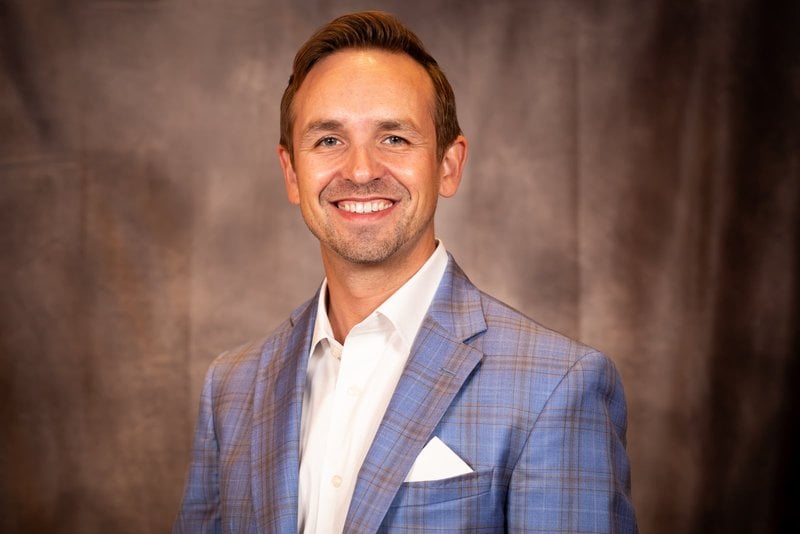
Executive Vice President
The Brokerage Inc.
Executive Vice President
The Brokerage Inc.
Josh Slattery is the Executive Vice President at The Brokerage Inc., a national life and health marketing organization. He joined The Brokerage in 2017 after spending 9 years with UnitedHealthcare in multiple roles specializing in Medicare products. He is a former agent and advocate for agent distribution, often collaborating with carriers and brokers to support the channel. Josh grew up in the Dallas area and is a graduate of Southern Methodist University where he received his BBA in Marketing in 2005 and MBA in 2012. Josh lives in Frisco, Texas with his wife Shay and their son, Beckett.
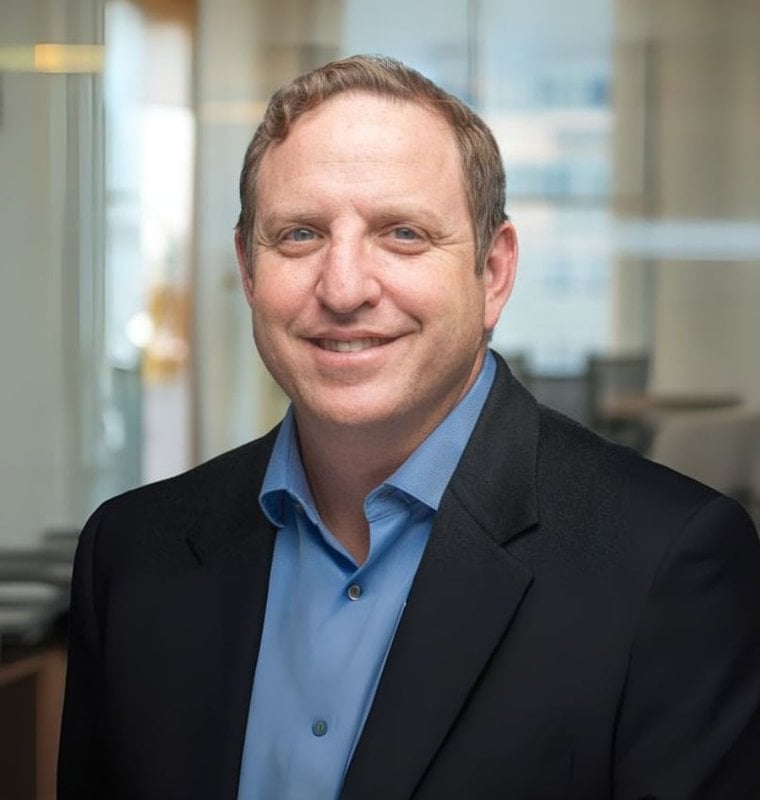
Chief Legal, Compliance, and Privacy Officer
HealthPlanOne, LLC
Chief Legal, Compliance, and Privacy Officer
HealthPlanOne, LLC
Steve has more than 20 years of experience guiding entrepreneurial businesses of all sizes in a variety of risk management disciplines including Legal, Regulatory Compliance, and Privacy. After completing his Juris Doctorate at Emory University School of Law in Atlanta, GA, he focused his career facilitating sensible growth within Healthcare, Technology, and Financial companies. In addition to his roles in legal and risk management, Steve has held executive operational positions in several growth organizations. Steve serves as HealthPlanOne’s Chief Legal Officer, Chief Compliance Officer, and Chief Privacy Officer.
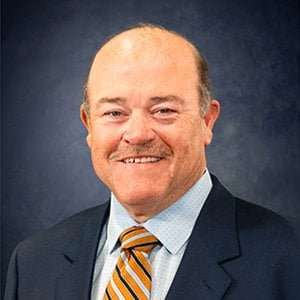
Chairman
Messer Financial Group
Chairman
Messer Financial Group
Roy Messer is the co-founder and Chairman of Messer Financial Group, a national marketing organization based in the greater Charlotte, NC area. Messer was founded in 2004 with 15 agents to offer exemplary service and support to independent insurance agents and serve as their resource to help them do what they do best. Thus, the company's mission statement: “Helping talented agents close more sales.” Today, Messer continues to grow and work with thousands of independent insurance agents and agencies across the country. Roy served in the United States Marine Corps, where he attributes numerous amounts of the knowledge, honor, integrity, and work ethic he holds each day. Roy serves on numerous advisory boards and councils in both the insurance industry and the community and church where he lives with his wife, Mandy.
CEO of Ritter Insurance Marketing and Managing Partner
Integrity
CEO of Ritter Insurance Marketing and Managing Partner
Integrity
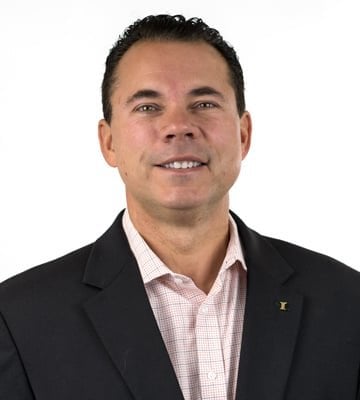
CRAIG RITTER is the CEO of Ritter Insurance Marketing, a national FMO for life and health products specializing in the senior market, and a Managing Partner of Integrity. Craig graduated from Penn State in 1992 with a degree in Finance. He has 33 years of insurance experience, including 28 years in life and health.
The client base of agents who work with Ritter totals over 750,000 Medicare Advantage, Medicare Supplement, and Medicare Part D policyholders. In 2024, these agents collected 197,000 Medicare enrollments.
Craig served as President of NAIFA Greater Harrisburg and was the 2018 President’s Award recipient for lifetime achievement. He resides in Harrisburg, PA, with his wife, Heidi, and his son, Cash. His eldest son, Quinn, is a graduate of Penn State and his daughter, Callie, attends Villanova University.
Senior Vice President, Med Solutions
Senior Market Sales®
Senior Vice President, Med Solutions
Senior Market Sales®
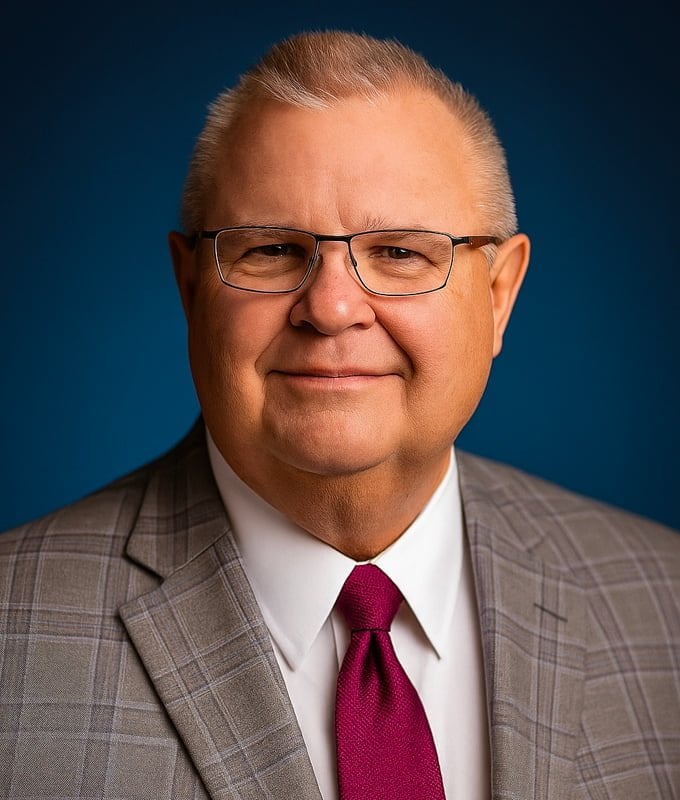
As Senior Vice President, Med Solutions, Dwane McFerrin, CLU®, CFP®, RHU®, CLTC®, LLIF, has helped position Senior Market Sales® (SMS) as a market leader selling Medicare Advantage and Part D in addition to Medicare Supplement. He is responsible for the strategic direction of the Medicare product line, carrier relationships and a team of marketing consultants who support sales in excess of 725,000 new business applications into Medicare-related products annually.
Dwane has more than 30 years of experience in executive-level positions in the insurance industry. Prior to joining SMS, he was Vice President of Marketing at Mutual of Omaha and a Senior VP of Agency at Physicians Mutual Insurance Company. He has a strong background in the senior market, sales management, association and worksite marketing, client development and lead generation.
In 2020 the Omaha Association of Health Underwriters (OAHU) selected Dwane its Underwriter of the Year Award recognizing distinguished service to the association and the industry. McFerrin served as Chair for seven years on NAHU’s Medicare Working Group, served a two-year term on the Omaha AHU Board of Directors and currently serves on NAHU’s mental health task force and prescription drug task force.
Dwane holds a Master of Science Degree in Industrial/Organizational Psychology from the University of Nebraska at Omaha, a Bachelor of Arts from Central College and LIMRA's Leadership Institute Fellow designation.
1.800.786.5566 ext 3653

Chief Distribution Officer
Senior Market Sales®
Chief Distribution Officer
Senior Market Sales®
Mark Hunter is Chief Distribution Officer at Senior Market Sales® (SMS), where he leads the Medicare Solutions division. Mark also oversees technology, strategic planning, mergers and acquisitions, and finance to strengthen the company’s value proposition for agents. In addition, Mark plays a role driving alignment and strategic synergies across the Alliant Consumer Group, part of SMS’ parent company, Alliant Insurance Services.
Previously, Mark served as President of Spring Venture Group in Kansas City, directing sales, operations, and technology. Mark is a licensed insurance agent, a registered investment advisor, and has passed the FINRA Series 65 exam.
A Kansas City native, Mark Hunter graduated cum laude from Harvard University with a degree in American History.









Copyright © 2020 NAIFA
National Association of Insurance and Financial Advisors
1000 Wilson Boulevard, Suite 1890
Arlington, VA 22209
Phone: 877-866-2432
lhc@naifa.org